
The Creation and Destruction of Values
Thus Spoke ZarathustraThis flow traces the movement from inherited moral tables through their destruction to the difficult responsibility of creating new values.
increasing Bearing strength in each event
 decreasing
Bearing strength in each eventdecreasingPeoples Make Moral Tables
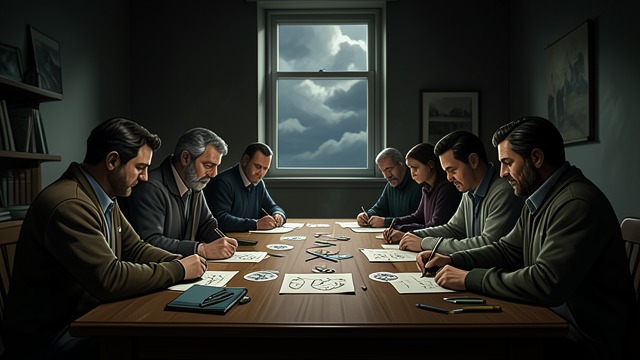
Peoples Make Moral Tables
Values express a people
Zarathustra describes moral codes as tables created by peoples in response to their conditions and hopes. What one society calls good may be shameful to another.
Valuation as human work
Values do not arrive as voices from heaven. Their history reveals human creativity, though collective creation can later harden into unquestioned custom.
The Lion’s Sacred No
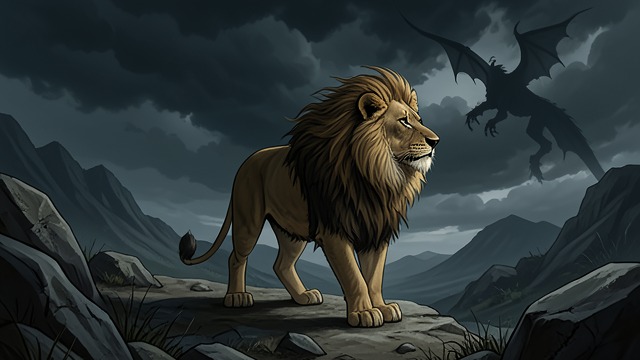
The Lion’s Sacred No
Inherited commands resisted
The lion confronts the dragon of “Thou shalt,” which claims that every value has already been made. Its refusal protects the spirit’s freedom to create.
Negation has a limit
The lion cannot itself establish new values. Its victory is essential but incomplete, making room for a different kind of affirmative power.
The Creator Must Break
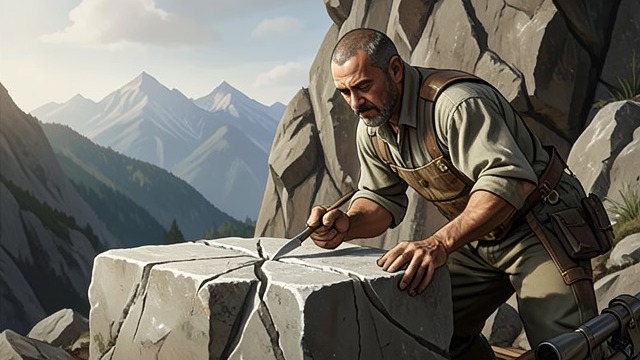
The Creator Must Break
Values exert power
Zarathustra argues that moral teachings shape life and serve particular wills. Their apparent permanence hides the forces that created them.
Destruction opens construction
A creator must sometimes break values to establish new ones. The destructive moment is judged by what it makes possible, not by the mere fact of rupture.
Old Tables Shattered
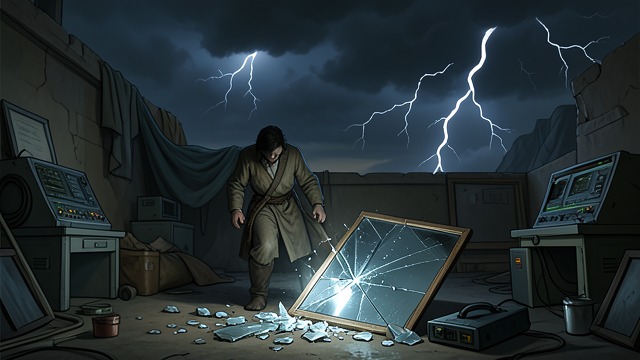
Old Tables Shattered
Certainty exposed as custom
Zarathustra attacks inherited rules and the self-confidence of those who think they already know good and evil. Fixed moral tables can protect a society from change.
Future authorship demanded
He calls for new creators who can write values suited to a future humanity. The demand is difficult because creation carries responsibility without guarantees.
A New Nobility Imagined
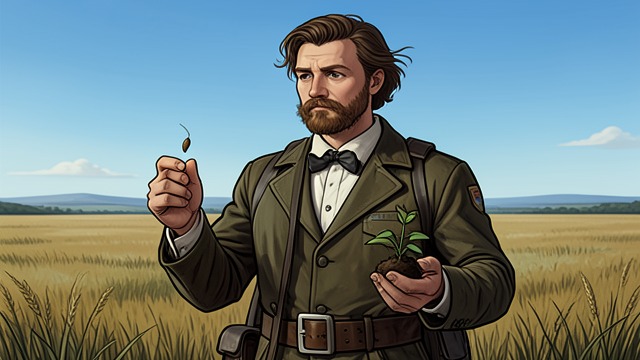
A New Nobility Imagined
Honour redirected forward
Zarathustra asks his listeners to value where they are going rather than only where they came from. Their honor should belong to the children’s land.
Creation beyond inheritance
The new nobility is defined by cultivating and sowing the future, not by buying rank or serving old power. The image connects value-making with generational responsibility.
Early in Part One, during Of the Thousand and One Goals
During the discourse on the three metamorphoses
Part Two, during Of Self-Overcoming
Part Three, during Of Old and New Law-Tables
Later in Of Old and New Law-Tables
